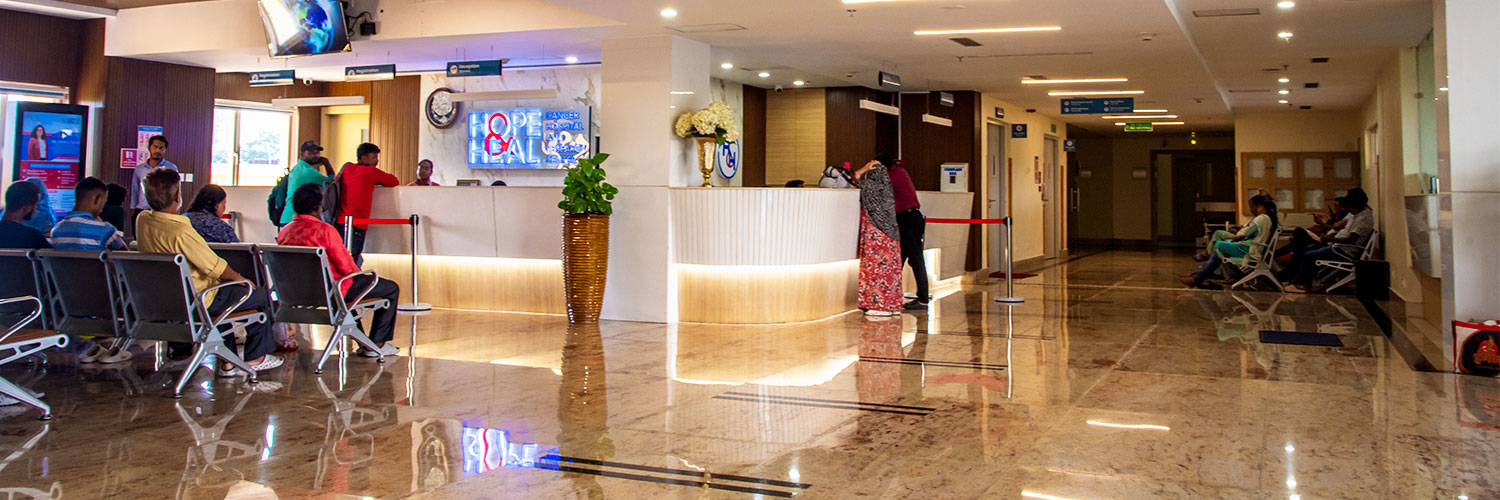
Cancer Treatment Services at Hope & Heal
Cancer is a group of diseases in which abnormal cells grow uncontrollably and may spread to other parts of the body. Although advances in research have improved our understanding of cancer and its treatment, it remains a major public health concern worldwide.
According to the Indian Council of Medical Research (ICMR), cancer cases in India have increased over recent years. Breast, lung, colorectal and oral cancers are among the commonly diagnosed cancers. Awareness of risk factors, appropriate screening and timely medical assessment can help people make informed decisions about their health.
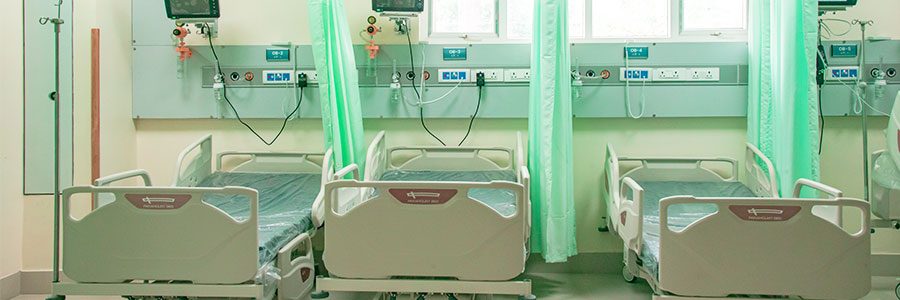
Hope & Heal provides information about cancer assessment, treatment options and supportive care. Treatment recommendations depend on the type and stage of cancer, diagnostic findings, overall health and individual needs. The potential benefits, risks and limitations of available treatments should be discussed with the treating team.
Cancer Treatment Services at Hope & Heal
Cancer care may involve different specialists and treatment approaches. Depending on the diagnosis and clinical requirements, care may include radiation oncology, medical oncology, surgical oncology, preventive oncology and palliative care. Treatment availability should be confirmed directly with the hospital.
A Multidisciplinary Approach to Cancer Care
Cancer treatment may involve coordination between medical specialists. The care team considers the patient's diagnosis, test results, general health and treatment preferences when discussing appropriate options.
Radiation Oncology
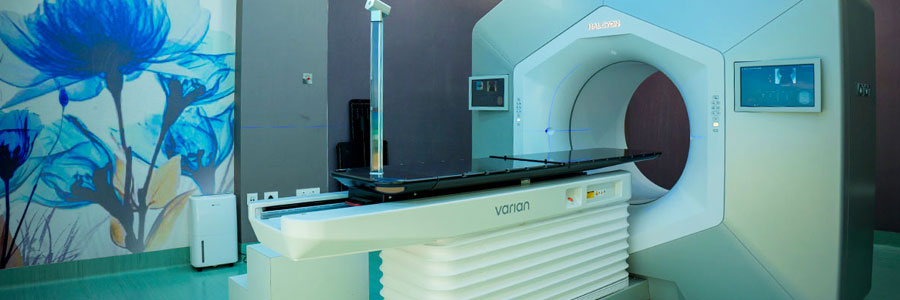
Radiation therapy uses high-energy radiation to damage cancer cells. Techniques such as intensity-modulated radiation therapy (IMRT) and stereotactic body radiation therapy (SBRT) may be considered for selected conditions. The technique, treatment schedule, potential benefits and side effects depend on the individual treatment plan.
Medical Oncology
Medical oncology involves the use of medicines to treat cancer. Depending on the cancer type, stage and relevant test results, treatment may include chemotherapy, targeted therapy or immunotherapy. A specialist can explain the available options, expected benefits and possible side effects.
Palliative Care
Palliative care helps manage pain, other physical symptoms and emotional concerns associated with cancer. It may be provided alongside cancer-directed treatment when appropriate, with the aim of supporting comfort and quality of life.
Preventive Oncology
Preventive oncology focuses on reducing cancer risk, promoting awareness and identifying people who may benefit from appropriate screening. Risk-reduction measures may include avoiding tobacco, limiting exposure to known carcinogens and following evidence-based screening recommendations.
Surgical Oncology
Surgical oncology involves procedures to diagnose or treat certain cancers. Depending on the cancer type, location, stage and the patient's health, surgery may involve conventional, minimally invasive or robotic techniques where available and clinically appropriate. Recovery, potential benefits and risks vary by procedure and individual circumstances.
Cancer care can involve physical, emotional and practical challenges for patients and their families. Information about treatment options, symptom management and available support can help patients participate in discussions about their care.
Understanding the Causes and Risk Factors of Cancer
Cancer develops through changes in cells that affect how they grow and divide. Different factors can influence the risk of developing particular cancers. Some risk factors can be reduced, while others, such as age and inherited genetic changes, cannot be changed.
1. Lifestyle Factors
Certain lifestyle factors can influence the risk of developing cancer:

Smoking
Tobacco smoking is a major cause of lung cancer and is also associated with cancers of the mouth, throat and several other parts of the body. Avoiding tobacco and quitting smoking can reduce health risks.

Diet and Body Weight
Dietary patterns and body weight can influence the risk of certain cancers. A balanced diet, regular physical activity and maintaining a healthy weight may help reduce the risk of some cancers.

Physical Activity
Regular physical activity can help reduce the risk of certain cancers, including colorectal and postmenopausal breast cancer. Activity recommendations should be appropriate to a person's health and physical ability.
2. Genetic Factors
Inherited genetic changes can increase the risk of certain cancers. For example, inherited changes in the BRCA1 and BRCA2 genes are associated with an increased risk of breast and ovarian cancers, among others. Genetic counselling may be appropriate for some individuals based on their personal and family history.
3. Infections
Some infections are associated with an increased risk of particular cancers:
Human Papillomavirus (HPV): Persistent infection with certain types of HPV can cause cervical cancer and several other cancers.
Hepatitis B and C: Chronic infection with hepatitis B or hepatitis C can increase the risk of liver cancer.
Helicobacter pylori: This bacterium is associated with an increased risk of certain types of stomach cancer.
4. Environmental and Occupational Factors
Exposure to certain environmental and workplace hazards can increase the risk of developing particular cancers:
Radiation: Ultraviolet radiation from sunlight and other sources can increase the risk of skin cancer. Exposure to ionising radiation may also increase cancer risk, depending on the dose and circumstances.
Chemicals: Exposure to certain substances, including asbestos and some industrial chemicals, is associated with an increased risk of specific cancers. Risk depends on the substance, exposure level and duration.
5. Hormonal and Reproductive Factors
Hormonal and reproductive factors can influence the risk of certain cancers. The relationship varies by cancer type and may involve age at certain reproductive milestones, exposure to particular hormones and the use of some hormone-based medicines.
Understanding cancer risk factors can help people make informed health decisions. Avoiding tobacco, following a balanced lifestyle, reducing exposure to known carcinogens and discussing appropriate screening with a healthcare professional may help reduce the risk of certain cancers. Visit Hope & Heal for information about available cancer care services.
Cancer Treatment Technology and Facilities
Cancer diagnosis and treatment may involve imaging equipment, radiotherapy systems and surgical instruments. The following technologies may be used as part of cancer care, depending on the facilities available and the patient's clinical requirements.
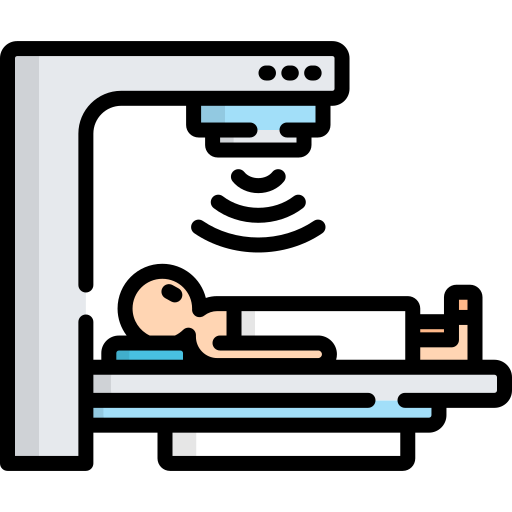
Linear Accelerators
Linear accelerators deliver high-energy radiation for cancer treatment. Treatment planning and delivery techniques are selected according to the tumour's location, the treatment objective and the need to account for nearby healthy tissues.

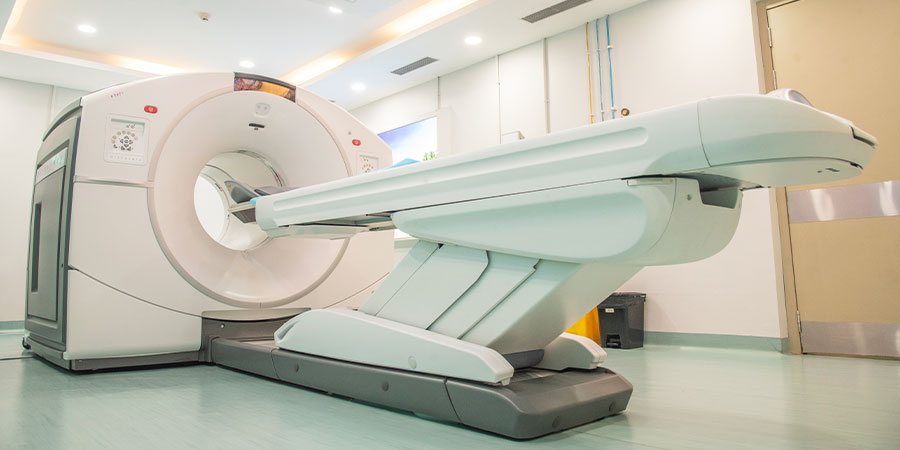
PET-CT Imaging
PET-CT combines information about metabolic activity with detailed anatomical images. In selected cases, it can help assess the extent of cancer, support treatment planning or evaluate disease activity. The need for this investigation depends on the clinical situation.

Minimally Invasive Surgical Equipment
Minimally invasive techniques use specialised instruments to perform certain procedures through smaller incisions. Suitability depends on the type and location of the cancer, the procedure required and the patient's health. Recovery and potential complications vary.
Cancer Treatment Services by Speciality
Cancer treatment may involve different clinical specialities depending on the diagnosis and treatment requirements. Services and treatment availability should be confirmed with the hospital.
- Head and neck oncology
- Gynaecological oncology
- Breast cancer care
- Gastrointestinal oncology and surgery
- Uro-oncology
- Paediatric oncology
- Orthopaedic oncology
Each cancer type may require a different assessment and treatment plan. The appropriate approach depends on the diagnosis, stage of disease, test results, overall health and individual needs. Contact Hope & Heal to confirm which cancer services and specialist consultations are currently available.
Cancer Care Information at Hope & Heal
When considering cancer treatment, patients may wish to ask about available clinical services, the specialists involved, treatment options, possible side effects, expected costs and support during care. The following information outlines topics patients may discuss with the hospital.

Patient Care and Support
Patients and families can discuss questions about diagnosis, treatment options, possible side effects and available support with the appropriate care team.

Oncology Team and Specialities
Contact the hospital for information about current clinicians, their qualifications, clinical specialities and appointment availability.

Treatment Facilities and Technology
Available equipment and treatment techniques depend on the hospital's facilities and clinical services. Patients can contact the hospital to confirm current availability.

Treatment Costs and Payment Information
Treatment costs depend on the diagnosis, investigations, medicines, procedures and duration of care. Patients can request an estimate and ask about applicable payment or coverage options.

Supportive Care Services
Depending on individual needs and service availability, supportive care may include symptom management, nutritional guidance, rehabilitation or emotional support.
For information about cancer treatment services or appointment availability, contact Hope & Heal. A clinical assessment is needed to determine which investigations or treatments may be appropriate for an individual patient.
Frequently Asked Questions
Q. Are support services available for cancer patients and their families?
Support needs vary between patients and families. Depending on the services available, support may include symptom management, nutritional guidance, emotional support and rehabilitation. Contact the hospital to confirm which services are currently provided.
Q. Which types of cancer are treated at Hope & Heal?
Cancer treatment services may cover different specialities, including head and neck, breast, gastrointestinal, gynaecological, urological, paediatric and orthopaedic oncology. Please contact Hope & Heal to confirm current services and the availability of specialist consultations.
Q. What should I expect during an initial cancer consultation?
An initial consultation may involve reviewing medical history, symptoms, previous reports and investigation results. The clinician may discuss whether further tests are needed and explain possible treatment options. The assessment and recommended next steps depend on each patient's circumstances.
Q. Which types of cancer can be serious?
The seriousness of cancer depends on factors such as its type, stage, location, rate of growth and response to treatment. Some cancers, including pancreatic cancer and glioblastoma, can be difficult to treat. Cancer that has spread to other parts of the body may also require complex treatment. A clinician can explain the implications of a specific diagnosis.
Q. Does Hope & Heal offer access to clinical trials?
Clinical trial availability depends on the institution, ongoing research studies and patient eligibility. Contact Hope & Heal to ask whether any relevant clinical trials are currently available. Participation in a clinical trial requires an assessment of eligibility and an explanation of potential benefits and risks.
Q. Does chemotherapy hurt?
Chemotherapy is usually administered through a vein, by mouth or through other prescribed methods. The administration itself may not be painful, although some people experience discomfort or side effects. Possible effects include nausea, fatigue, mouth sores and changes in appetite. Side effects depend on the medicines used and the individual patient.
Q. Is it possible to recover completely from cancer?
Some cancers can be cured, particularly when diagnosed at a stage when effective treatment is possible. For other cancers, treatment may aim to control the disease, delay its progression or relieve symptoms. Outcomes depend on the type and stage of cancer, tumour characteristics, treatment response and overall health. Remission does not always mean that cancer has been cured.
Q. Which types of cancer can cause pain?
Cancer-related pain varies from person to person. Some cancers, including pancreatic cancer and cancers affecting the bones, may cause significant pain in certain cases. Pain can result from tumour growth, pressure on nerves, spread to other tissues or treatment-related effects. Appropriate assessment and pain management can help address these symptoms.
 Find A Doctor
 Pathology Services
- Centre of Excellence
- • Surgical Oncology Services
- • Radiation Oncology Services
- • Medical Oncology Services
- • Pain, Palliative Care
- • Preventive Oncology Services
- • Radiology and Interventional Oncology Services
- • Interventional Gastroenterology Services
- • Nuclear Medicines Services
- • Pathology
- • Immunotherapy
- • Anaesthesiology
Now You Cancer. There's Hope!
Comprehensive Cancer Care Services in North Bengal
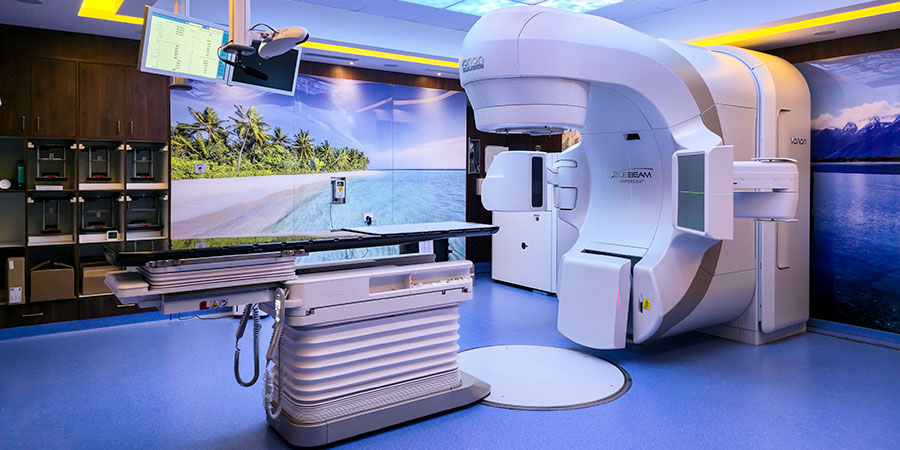
TrueBeam with HyperSight
Advanced Radiotherapy in North Bengal
- High-Precision Targeting
- Submillimetric Accuracy
- Adaptive Radiotherapy
- Advanced Motion Management
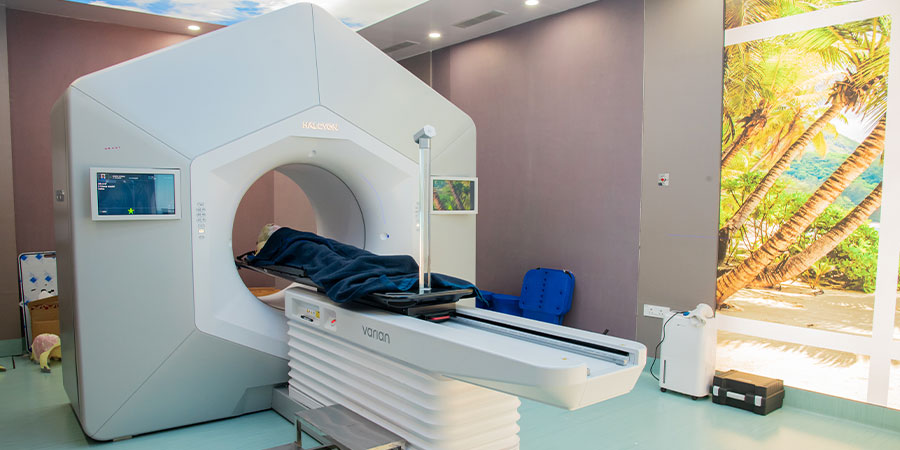
Halcyon-E Machine
Advanced Radiotherapy Platform in North Bengal
- Accelerated Treatment Delivery
- Image-Guided Radiation Therapy
- Patient-Centric Comfort & Safety
PET-CT
GE Three Ring Machine
- Precision Staging of Malignancies
- Informed Treatment Planning Support
- Designed for Patient Comfort & Safety
 Important Links
- Cancer Hospital In Siliguri
- Oncology Centre In Siliguri
- Radiation Therapy In Siliguri
- Chemotherapy In Siliguri
- Biopsy Test In Siliguri
- Cancer Treatment In Siliguri
- Lung Cancer Hospital
- Lung Cancer Treatment Siliguri
- Lung Cancer Treatment Hospital in Kolkata
- Cancer Treatment Hospital in Kolkata
- Sign and Symptoms
- Understanding Cause And Symptoms
- Breast Cancer Awareness Month






Copyrights © 2026, Hope & Heal Cancer Hospital and Research Center.

Make An Appointment
Submit your details and we will contact you.


Let's Pledge To Fight Cancer
- Be Aware - That tobacco is the most preventable casuse of cancer.
- Lead Healthy Lifestyle - Stay fit & reduce the risk of cancer.
- Know The Symptoms - Visit doctor if you suspect anything.
- Early Detection - To easy & successful treatment.
Make An Appointment
Submit your details and we will contact you.
Let's Pledge To Fight Cancer
- Be Aware - That tobacco is the most preventable casuse of cancer.
- Lead Healthy Lifestyle - Stay fit & reduce the risk of cancer.
- Know The Symptoms - Visit doctor if you suspect anything.
- Early Detection - To easy & successful treatment.
Online Video Consultation Enquiry